United States vs Canada — Country Comparison
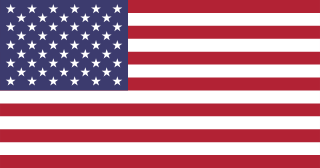 United States
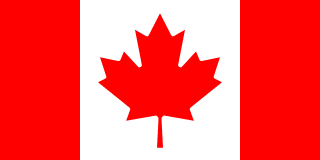 Canada
United States and Canada side by side: Canada is the larger country (9,984,670 km² vs 9,525,067 km²), while United States has the bigger population (340.1 million vs 41.7 million). The full comparison table below covers capitals, currencies, languages, dialling codes, timezones and more.
Facts last checked 31 August 2026.
| Fact | United States | Canada |
|---|---|---|
| Capital | Washington, D.C. | Ottawa |
| Population | 340,110,988 | 41,651,653 |
| Area | 9,525,067 km² | 9,984,670 km² |
| Currency | United States dollar | Canadian dollar |
| Languages | English | English, French |
| Dialling code | +1 | +1 |
| Main timezone | UTC-05:00 | UTC-05:00 |
| Drives on the | Right | Right |
| Region | North America | North America |
| Emergency number | 911 | 911 |
Visiting United States or Canada?
As an Amazon Associate we earn from qualifying purchases. We are also a member of the CJ Affiliate and AWIN affiliate networks. Links below are affiliate links.
Scratch Off World Map
Mark off United States, Canada and everywhere else you have been.
United States vs Canada — FAQ
Which is bigger, United States or Canada?
Canada is bigger by area: 9,984,670 km² vs 9,525,067 km².
Is United States bigger than Canada?
No — Canada is larger at 9,984,670 km² vs 9,525,067 km² for United States.
Which has more people, United States or Canada?
United States has the larger population: 340,110,988 (340.1 million) vs 41,651,653 (41.7 million).
How does the size of United States compare to Canada?
Canada (9,984,670 km²) is larger than United States (9,525,067 km²).
Do United States and Canada use the same currency?
No — United States uses the United States dollar and Canada uses the Canadian dollar.
Are United States and Canada on the same continent?
Yes — both are in North America.
What is the time difference between United States and Canada?
United States and Canada are in the same time zone (UTC-05:00).
Do United States and Canada share an official language?
Yes — both share English as an official language.
Do United States and Canada share a border?
Yes — United States and Canada share a land border.
Which is more densely populated, United States or Canada?
United States is more densely populated at roughly 36 people per km², compared to 4 for Canada.
This page contains affiliate links. We may earn a small commission if you purchase through our links, at no extra cost to you. Learn more.
Last updated: