Dialling Code for Singapore
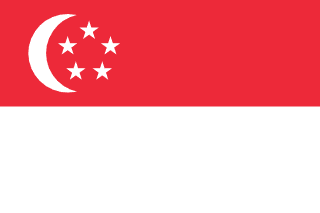
How to call Singapore from abroad
Facts last checked 9 October 2026.
The international dialling code for Singapore is +65. To call Singapore from the UK, dial 00 then 65, followed by the local number. From the US or Canada, dial 011 then 65. On a mobile phone you can simply dial +65 directly.
Staying connected in Singapore
As an Amazon Associate we earn from qualifying purchases. We are also a member of the CJ Affiliate and AWIN affiliate networks. Links below are affiliate links.
International Prepaid SIM Card
Data and calls in Singapore without roaming shocks.
Portable Power Bank
Keep your phone charged for international calls on the move.
Singapore calling details
| Country code | +65 |
|---|---|
| Internet domain | .sg |
| Emergency number | 999 (police) / 995 (fire & ambulance) |
| Time zone | UTC+08:00 — check the time before you call |
| Capital | Singapore |
Singapore in context
- Singapore covers 710 km², making it the 177th largest of the 196 countries on this site.
- Its population density of about 8,606 people per km² ranks 2nd of 196 (1st = most crowded).
- Singapore has no land borders with other countries on this site.
- With 6,110,200 people, Singapore holds about 0.9% of the population of South-Eastern Asia.
- That is roughly 0.1% of the Asia total counted on this site.
- Traffic drives on the left, and calendars start the week on Monday.
- Singapore is a member state of the United Nations.
Compare Singapore
Calling Singapore — FAQ
What is the international dialling code for Singapore?
The dialling code for Singapore is +65.
How do I call Singapore from the UK?
To call Singapore from the UK, dial 00 65 followed by the local number (drop any leading 0).
How do I call Singapore from the US?
To call Singapore from the US, dial 011 65 followed by the local number.
Do other countries share the +65 dialling code?
No — +65 is used exclusively by Singapore.
This page contains affiliate links. We may earn a small commission if you purchase through our links, at no extra cost to you. Learn more.
Last updated: